Toilet Repair vs. Replacement in Acworth, GA: How to Know When It's Time for a New Toilet
Common Toilet Problems Acworth Homeowners Shouldn't Ignore
A toilet is one of the most frequently used plumbing fixtures in your home, so when something goes wrong, it can quickly become frustrating. Whether your toilet constantly runs, struggles to flush, leaks around the base, or clogs more often than it should, the problem deserves attention. For homeowners in Acworth, GA, understanding the difference between a simple toilet repair and a necessary replacement can help prevent wasted money, unnecessary water consumption, and unexpected plumbing emergencies.
Not every toilet problem means you need a brand-new fixture. Many common issues involve replaceable components, such as flappers, fill valves, handles, and seals. However, some problems indicate more serious damage or ongoing performance issues that may make replacement the better long-term choice.
At Mr. Plunger Plumbing, we help homeowners throughout Acworth and surrounding communities diagnose plumbing problems and determine appropriate repair or installation solutions. Understanding the warning signs can help you decide when it's time to call a professional plumber.
Some of the most common toilet problems include:
- Constantly running water: A worn flapper, improperly adjusted float, or malfunctioning fill valve may allow water to continuously enter the bowl.
- Weak flushing: Mineral buildup, partial clogs, or problems with internal components can reduce flushing performance.
- Frequent clogs: Repeated blockages may involve the toilet trap, drain line, flushing performance, or improper materials being flushed.
- Water around the base: A damaged wax seal, loose connection, condensation, or cracked fixture may cause moisture near the floor.
- Unusual noises: Hissing, whistling, or unexpected refilling can indicate problems with the tank's internal components.
- Loose or rocking toilet: Improper mounting, damaged hardware, or problems with the toilet flange may need professional attention.
A running toilet may seem like a minor annoyance, but it can waste significant amounts of water over time. Similarly, a small leak near the base can eventually damage flooring or the subfloor if the underlying problem isn't corrected.
Homeowners in Woodstock, Marietta, and Canton should pay particular attention to recurring problems. When the same issue returns after multiple repairs, it's worth having a plumber evaluate whether the fixture itself is contributing to the problem.
When Is a Toilet Repair Enough?
The good news is that many toilet problems can be resolved without replacing the entire fixture. If the porcelain is in good condition, the toilet flushes effectively, and the problem involves an individual component, professional toilet repair may be the most practical solution.
For example, a toilet that runs continuously may only need a new flapper or fill valve. A broken flush handle can often be replaced, and certain leaks may be corrected by repairing the affected connection or seal.
Common repairs that may extend the life of a toilet include:
- Replacing worn flappers and flush valves.
- Repairing or replacing malfunctioning fill valves.
- Adjusting water levels inside the tank.
- Replacing broken handles or flush mechanisms.
- Clearing appropriate toilet or drain blockages.
- Replacing a failed toilet seal when the fixture and mounting surfaces are sound.
- Correcting loose mounting hardware or related installation problems.
A professional plumber can determine whether the issue is isolated to a replaceable part or connected to a larger plumbing problem. This distinction is important because recurring clogs, leaks, or flushing issues aren't always caused by the toilet itself.
If your toilet is relatively new and has otherwise performed reliably, repairing a faulty component is often a sensible choice. However, if repairs are becoming frequent or the fixture has significant physical damage, it may be time to compare the cost of continued maintenance with the benefits of replacement.
The key is addressing problems early. Prompt toilet repair in Acworth, GA, can help prevent small issues from becoming more expensive plumbing repairs while keeping your bathroom functional.
7 Signs It May Be Time to Replace Your Toilet
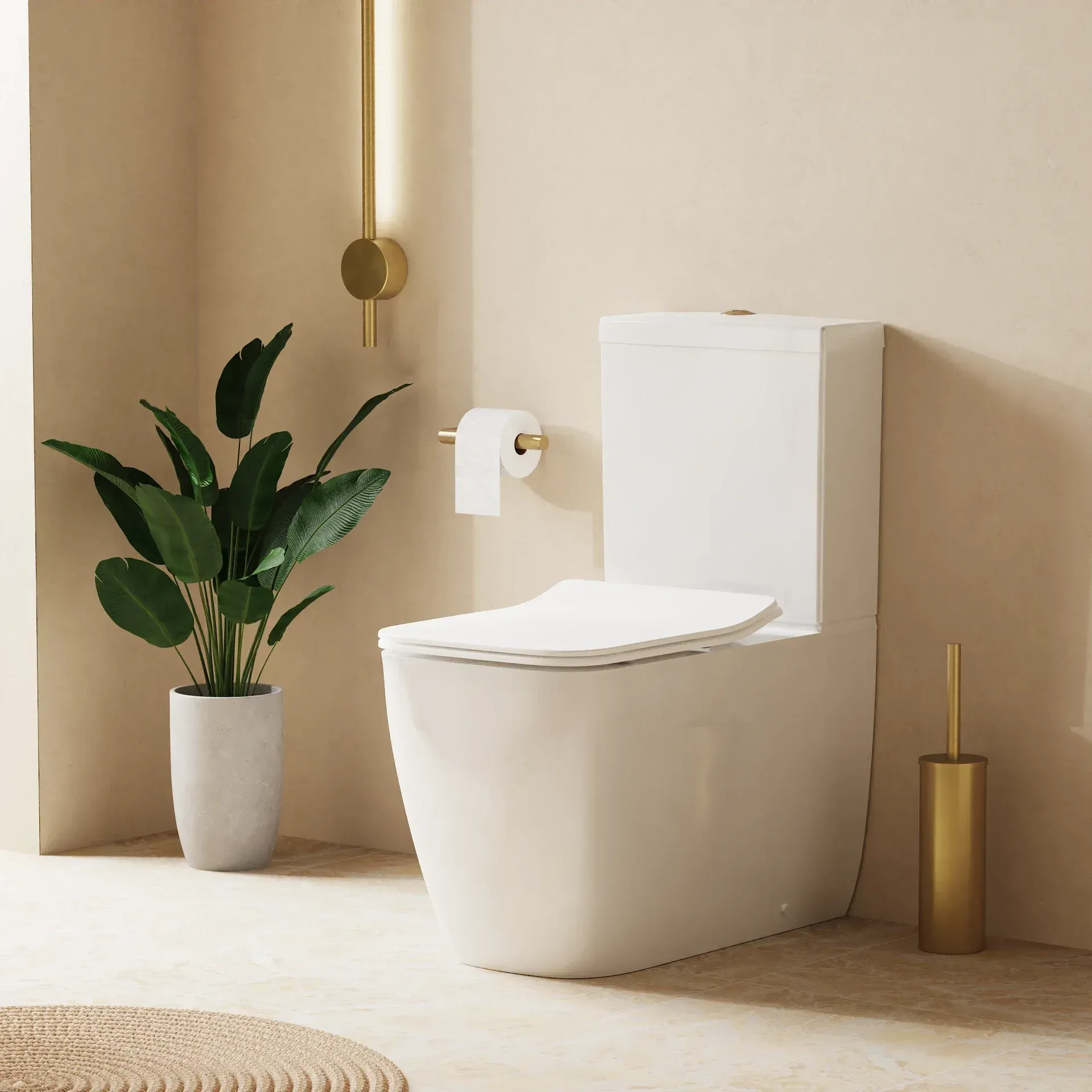
Although many toilet problems can be repaired, there comes a point when replacing an older or damaged fixture makes more sense. A new toilet can provide more reliable flushing, improved water efficiency, and fewer recurring maintenance problems. The important thing is knowing when a repair is still worthwhile and when replacement offers better long-term value.
For homeowners in Acworth, Woodstock, and Marietta, these seven warning signs can help determine whether it's time to consider professional toilet replacement.
- Cracks in the porcelain: Cracks in the tank or bowl can lead to leaks and potential water damage. A cracked toilet should be evaluated promptly, especially if water is escaping from the fixture.
- Recurring leaks: If water continues appearing around the toilet despite appropriate repairs, the fixture, flange, or surrounding plumbing may require further attention. Replacement may be necessary when the toilet itself is damaged.
- Frequent clogs: Toilets that repeatedly clog may have poor flushing performance or internal obstructions. If the drain system is clear and the toilet continues struggling, replacing the fixture may be worth considering.
- Constant repairs: Repeated service calls and replacement parts can become expensive. When repair costs begin approaching the price of a new toilet, replacement may offer better value.
- Excessive water consumption: Older toilets may use considerably more water per flush than modern efficient models. Upgrading can reduce water usage, especially in busy households.
- Poor flushing performance: A toilet that consistently requires multiple flushes may have design limitations or problems that are no longer economical to correct.
- Outdated or damaged components: Aging fixtures with difficult-to-find replacement parts, damaged mounting areas, or significant wear may be better candidates for replacement.
One important distinction is that frequent clogs don't always mean the toilet needs replacing. Blockages farther down the drain or sewer line can create similar symptoms. A plumber should identify the actual cause before recommending a new fixture.
The age of the toilet can also influence the decision, but age alone doesn't determine whether replacement is necessary. A well-maintained older toilet may continue functioning properly for years, while a newer toilet with a serious porcelain crack may need immediate replacement.
If you're unsure whether toilet repair or replacement is the right choice, a professional plumbing inspection can help you compare the condition of the existing fixture, expected repair costs, and available replacement options.
What Should You Consider When Choosing a New Toilet?
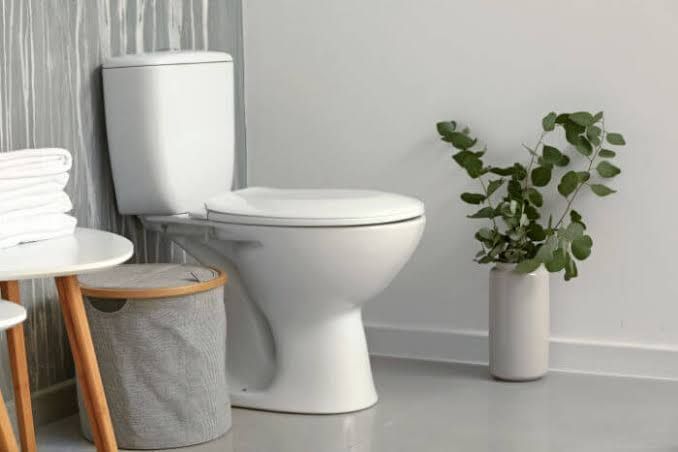
Once you've decided to replace your toilet, the next step is choosing a model that fits your bathroom and meets your household's needs. Today's toilets offer different sizes, bowl shapes, flushing systems, and water-efficiency features. Selecting the right combination can improve comfort and help avoid installation problems.
Water efficiency is one of the most important considerations. Many modern toilets use 1.28 gallons per flush or less, while older models may use significantly more water. A WaterSense-labeled toilet can be a good option for homeowners who want to reduce water consumption without sacrificing tested flushing performance.
Comfort and available space also matter. Elongated bowls generally provide additional seating room, while round-front models may fit better in smaller bathrooms. Chair-height or comfort-height models can be more convenient for certain users, although the best height depends on individual needs and accessibility requirements.
Before purchasing a replacement toilet, consider:
- Water efficiency: Look for models with appropriate gallons-per-flush ratings and reliable performance.
- Bowl shape: Decide whether a round or elongated bowl works best for the available space.
- Seat height: Choose a comfortable height for the people who regularly use the bathroom.
- Flushing technology: Compare gravity-fed, pressure-assisted, and other available systems.
- Rough-in measurement: Verify the distance from the finished wall to the center of the floor drain connection.
- Bathroom layout: Make sure the new toilet provides appropriate clearance around nearby walls, cabinets, and doors.
- Maintenance: Consider replacement-part availability and ease of cleaning.
The rough-in measurement is especially important. Many residential toilets use a 12-inch rough-in, but some bathrooms require 10-inch or 14-inch configurations. Purchasing the wrong size can create installation difficulties or require returning the fixture.
Homeowners should also consider the condition of the existing toilet flange, shutoff valve, and supply connection. If these components are worn or damaged, they may need attention during the replacement process.
For homeowners throughout Acworth, Canton, Alpharetta, and Roswell, professional toilet installation helps ensure the selected fixture is compatible with the bathroom and properly connected to the plumbing system. A correctly installed toilet should remain stable, flush reliably, and operate without leaks.
What to Expect During Professional Toilet Replacement
Replacing a toilet may appear straightforward, but proper installation involves several important steps. An incorrectly installed toilet can develop leaks, rock against the floor, or cause damage around the drain connection. Professional toilet replacement helps reduce these risks and ensures the new fixture is installed correctly.
The process usually begins with evaluating the existing toilet and plumbing connections. A plumber checks the fixture's condition, confirms the appropriate replacement size, and looks for problems that could affect the installation. If water has been leaking around the base, the surrounding floor and flange may also need inspection.
Once the replacement is ready, the water supply is shut off and the old toilet is disconnected. After removing the fixture, the plumber can inspect the flange and drain opening before installing the new toilet.
A typical professional toilet replacement includes:
- Inspecting the existing fixture: Confirming that replacement is appropriate and identifying potential plumbing problems.
- Shutting off the water: Disconnecting the supply and preparing the old toilet for removal.
- Removing the old toilet: Carefully lifting the fixture away from the floor connection.
- Checking the flange: Inspecting the mounting area, drain connection, and surrounding flooring for damage.
- Installing a new seal: Using the appropriate sealing method for the selected fixture and installation conditions.
- Positioning the new toilet: Securing the fixture properly without overtightening the mounting hardware.
- Connecting the water supply: Installing or reconnecting suitable supply components.
- Testing operation: Checking for leaks, stability, proper filling, and reliable flushing.
One of the most important parts of the installation is creating a reliable seal between the toilet and the drain. A poorly seated fixture can allow wastewater to escape beneath the toilet, potentially damaging the floor before the problem becomes obvious.
Professional installation also provides an opportunity to address worn shutoff valves, damaged flanges, or other components that could cause future problems. These issues should be discussed before additional repairs are performed.
Mr. Plunger Plumbing provides plumbing installation and fixture replacement services for homeowners throughout Acworth and the surrounding North Metro Atlanta area. Whether you're replacing a damaged toilet or upgrading to a more efficient model, proper installation helps protect your bathroom and plumbing system.
How to Prevent Common Toilet Problems
Once your toilet is working properly, a few simple maintenance habits can help keep it that way. Although toilets are designed for frequent use, improper flushing habits, neglected leaks, and unnecessary strain on internal components can lead to avoidable repairs.
One of the easiest ways to protect your toilet is to be careful about what goes into it. Toilet paper and human waste are the only materials that should normally be flushed. Products marketed as flushable wipes can still contribute to blockages, particularly in older drain systems.
It's also helpful to pay attention to changes in flushing performance. A toilet that suddenly begins running, refilling unexpectedly, or flushing weakly may have a developing problem that should be addressed before it becomes more serious.
Follow these maintenance tips to help avoid common toilet problems:
- Flush only toilet paper and human waste.
- Avoid disposing of wipes, paper towels, hygiene products, or grease in the toilet.
- Listen for running water or unexpected tank refilling.
- Inspect around the toilet base for moisture or signs of leakage.
- Address loose or rocking toilets promptly.
- Use toilet-safe cleaning products and avoid damaging internal components.
- Schedule professional plumbing service when clogs or leaks keep returning.
Avoid relying on harsh chemical drain cleaners to resolve toilet clogs. These products can create safety hazards and may damage certain plumbing components. A proper toilet auger or professional drain cleaning service is generally a more appropriate approach for stubborn blockages.
Regular attention can help you recognize problems before they cause extensive damage. If you notice water pooling around the toilet, a sudden increase in water usage, or repeated flushing issues, having the fixture inspected can help identify the underlying cause.
Toilet Repair and Replacement Services in Acworth, GA
Deciding whether to repair or replace a toilet doesn't have to be complicated. In many cases, a worn flapper, faulty fill valve, or damaged seal can be repaired without replacing the entire fixture. However, cracked porcelain, repeated leaks, persistent flushing problems, or ongoing repair expenses may make replacement the more practical solution.
At Mr. Plunger Plumbing, we provide residential plumbing repair, installation, maintenance, and replacement services for homeowners throughout Acworth, GA, and surrounding communities. Our experienced team can evaluate toilet problems, explain the available options, and help you determine the appropriate solution for your home.
We serve homeowners in Acworth, Woodstock, Marietta, Canton, East Cobb, Alpharetta, and Roswell. Whether you're dealing with a constantly running toilet, a leak around the base, frequent clogs, or an aging fixture that needs replacement, professional plumbing assistance can help restore reliable bathroom operation.
Our goal is to provide practical plumbing solutions based on your needs. If a repair can restore your toilet's performance, that may be the right approach. If replacement makes more sense, we can help with the installation of a suitable new fixture.
Don't wait for a small toilet problem to turn into water damage or an unexpected plumbing emergency. Addressing leaks, flushing issues, and damaged components early can help protect your home and avoid unnecessary inconvenience.
Need toilet repair or replacement in Acworth, GA? Contact Mr. Plunger Plumbing to schedule professional service. Learn more about our residential plumbing services, explore our plumbing installation services, or contact our team to get help with your home's plumbing needs.
Recent Posts