Does Your Home Need Repiping? 7 Warning Signs Acworth Homeowners Should Know
When Your Home’s Plumbing Starts Showing Its Age
Most homeowners do not spend much time thinking about the pipes hidden behind their walls, beneath their floors, or running through the crawl space. As long as water comes out of the faucet and everything seems to drain normally, it is easy to assume the plumbing system is doing just fine. But pipes do not last forever. Over time, corrosion, mineral buildup, repeated repairs, and normal wear can begin to affect the plumbing throughout a home.
For homeowners in Acworth and the surrounding North Metro Atlanta area, recognizing the early warning signs of aging pipes can make a big difference. A small plumbing issue may only require a simple repair, but when the same types of problems begin appearing throughout the house, it could indicate that the plumbing system itself is reaching the point where repiping or pipe replacement should be considered.
Repiping does not automatically mean that every plumbing problem requires tearing out all the pipes in your house. A professional plumber can evaluate the system, determine where the problem is coming from, and recommend whether a localized pipe repair or a more extensive replacement makes the most sense.
Three Early Warning Signs You Shouldn’t Ignore
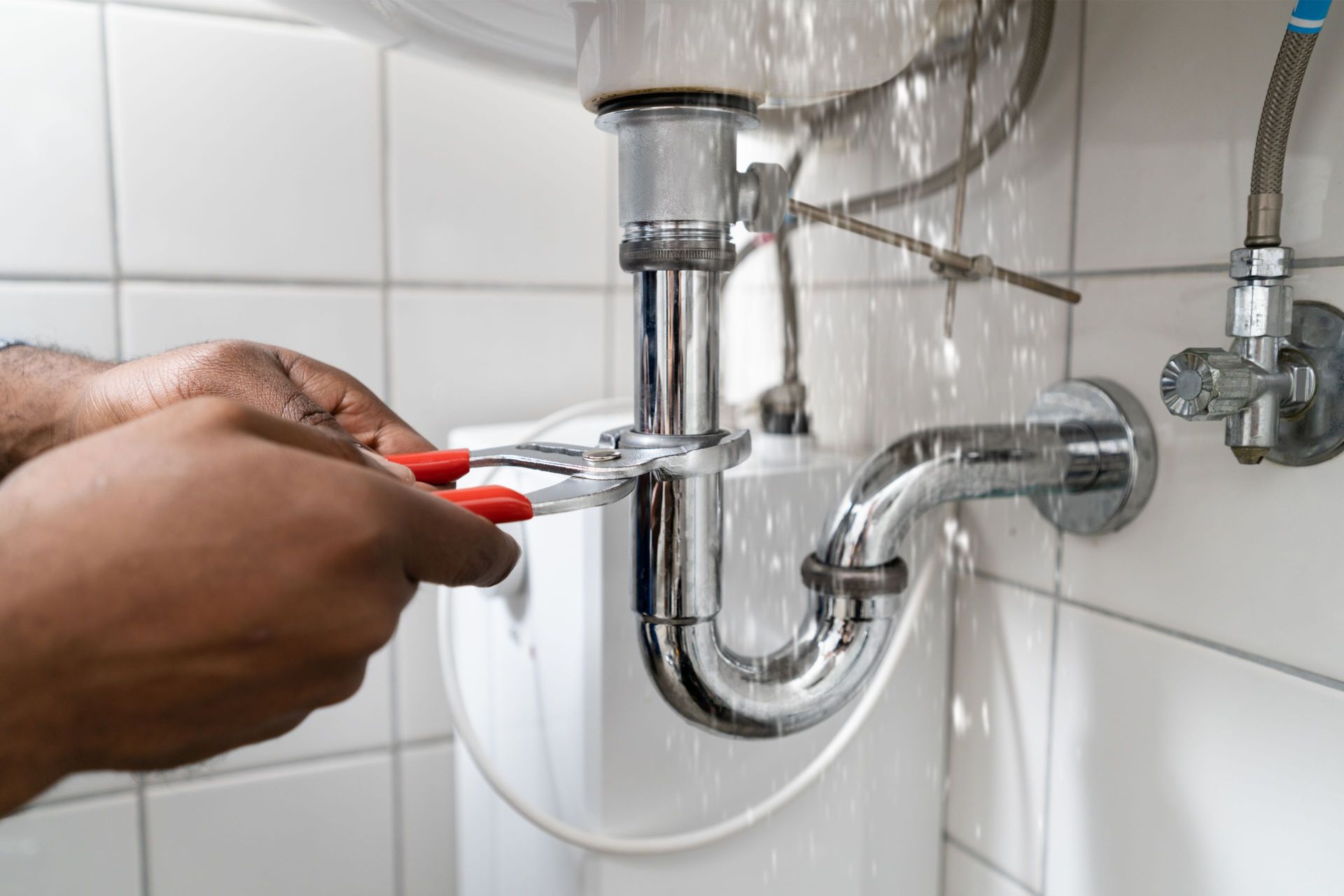
1. You keep dealing with plumbing leaks. One isolated leak can happen in almost any home. However, a pattern of leaks is different. If one pipe is repaired only for another leak to appear a few months later somewhere else, the plumbing material may be deteriorating throughout the system. Repeated leaks can also lead to water damage, staining, mold concerns, damaged drywall, and higher repair costs if the underlying problem is not addressed.
2. Your water looks rusty, brown, or discolored. Discolored water can have several causes, and not every instance means your home needs repiping. However, older metal pipes can corrode internally as they age. Rust and other material from inside the pipe may then affect the appearance of the water coming from your fixtures. If discoloration continues or regularly appears when you turn on certain faucets, it is worth having the plumbing inspected.
3. Your water pressure has gradually changed. Sudden low water pressure can sometimes be traced to a single fixture, valve, leak, or municipal water issue. Gradual changes throughout the house can be another story. Mineral deposits and corrosion can restrict the inside diameter of older pipes, reducing the amount of water that can move through them. If multiple showers, sinks, or fixtures seem weaker than they once were, aging pipes could be contributing to the problem.
Homeowners should pay attention when several small symptoms start occurring at the same time. Some common things to watch for include:
- Water stains appearing on ceilings, walls, or around plumbing fixtures
- Recurring leaks in different areas of the house
- Brown, reddish, yellow, or otherwise unusual-looking water
- Water pressure that has gradually become weaker
- Damp or musty areas near walls, cabinets, or floors
- Increasing plumbing repair calls without a clear long-term solution
The important thing is to look at the plumbing system as a whole rather than focusing only on the latest problem. Fixing a leaking section of pipe may solve an immediate issue, but if the surrounding plumbing is the same age and made from the same deteriorating material, another problem may not be far behind. An experienced plumber can help determine whether continued spot repairs are practical or whether replacing aging sections of the system would provide better long-term reliability.
When a Small Repair May Be Part of a Bigger Plumbing Problem
One of the hardest questions for homeowners is knowing when to repair a pipe and when to start thinking about repiping. In many cases, repairing one damaged section is completely reasonable. A newer plumbing system with one accidental leak, damaged fitting, or isolated problem probably does not need extensive pipe replacement.
The situation changes when problems are happening repeatedly or in several parts of the house. At that point, continuing to repair individual trouble spots can become frustrating and expensive. Looking at the frequency, location, and type of plumbing problems can help determine whether the issue extends beyond a single pipe.
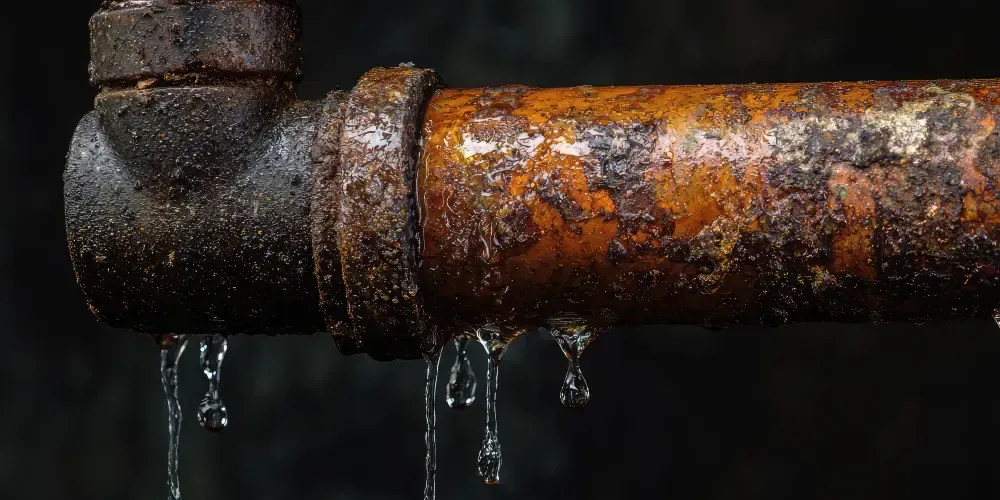
4. You can see corrosion on exposed pipes. Take a look at visible plumbing in areas such as a basement, utility room, garage, under sinks, or near the water heater. Flaking, discoloration, rust, unusual deposits, or visible deterioration can be warning signs. What you can see on an exposed section may also provide clues about the condition of similar plumbing hidden elsewhere in the home.
5. Your water has developed an unusual taste or smell. Changes in water quality should never simply be ignored. There are several possible causes, including issues unrelated to the plumbing inside the house, so professional evaluation is important. Aging or corroded pipes may sometimes contribute to changes in water quality, particularly when the problem is consistently associated with specific fixtures or certain sections of the home.
6. Plumbing repairs are becoming a regular occurrence. If calling a plumber has started feeling like part of your routine, it may be time to look beyond the individual repair. Several pipe leaks, damaged fittings, corrosion problems, or repeated failures over a relatively short period can indicate that parts of the system are approaching the end of their useful life.
7. Multiple fixtures are having similar problems. A single slow faucet or weak shower may have a localized cause. When several fixtures throughout the house develop pressure issues, unusual water color, inconsistent flow, or other similar symptoms, there may be a larger problem within the plumbing system.
Pipe Repair or Repiping? How a Plumber Makes the Call
There is no universal rule saying a home should be repiped after a certain number of leaks. Every plumbing system is different. The age of the home, pipe material, previous renovations, condition of the existing plumbing, and type of problems occurring all matter.
A professional plumbing inspection can help separate a straightforward repair from a system-wide concern. Instead of guessing based on one symptom, a plumber can evaluate the overall condition of the pipes and help homeowners understand their options.
A localized plumbing repair may make sense when:
- The problem is limited to one clearly identified section of pipe
- The surrounding plumbing is otherwise in good condition
- The home has not experienced repeated pipe failures
- The issue was caused by isolated damage rather than widespread deterioration
Repiping or replacing larger sections may be worth discussing when:
- Leaks continue appearing in different areas
- Visible corrosion is present on multiple pipes
- Water quality or pressure problems affect several fixtures
- Older plumbing materials are deteriorating throughout the home
- The cost and frequency of repeated repairs continue to increase
For homeowners in Acworth, Woodstock, Canton, Marietta, East Cobb, Alpharetta, Roswell, and nearby communities, having the plumbing evaluated before a major failure occurs can provide valuable information. Even if complete repiping is not necessary, identifying vulnerable sections early may allow repairs or replacements to be planned rather than handled during an unexpected plumbing emergency.
It is also worth thinking beyond the price of the most recent repair. A small repair may cost less today, but repeatedly repairing an aging plumbing system can add up over time. When problems become frequent, homeowners should compare the long-term cost of continuing repairs with the potential benefits of replacing deteriorating pipes.
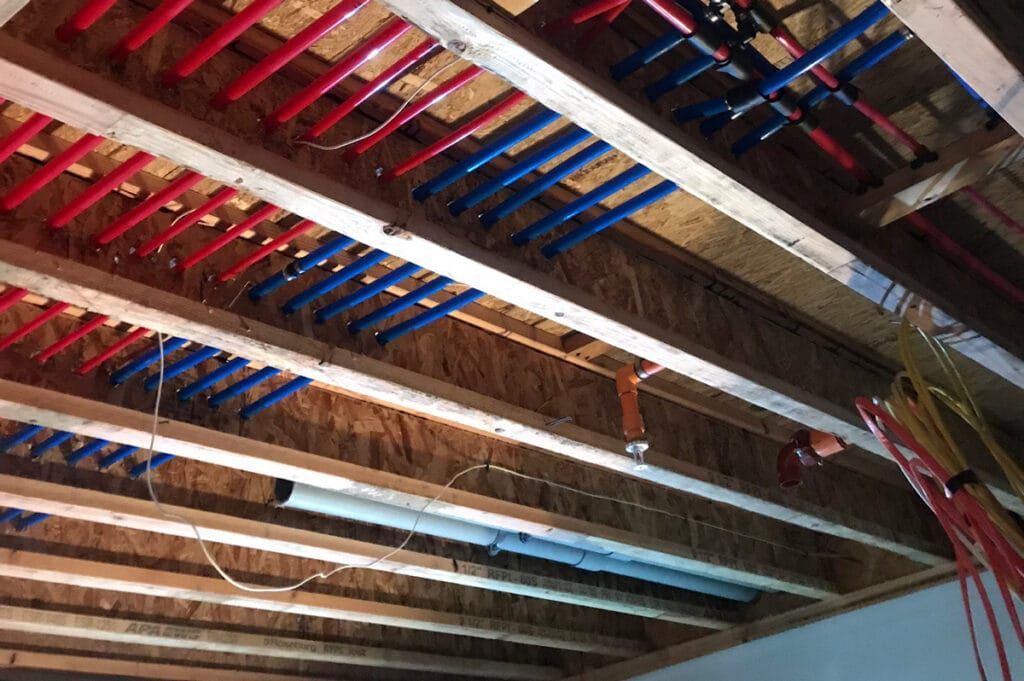
What Happens If Your Home Really Does Need Repiping?
The word “repiping” can sound intimidating, especially if you imagine the entire house being torn apart. In reality, a professional repiping project begins with careful planning. The plumber first needs to understand the layout of the existing plumbing, which pipes need to be replaced, where new piping can be routed, and how to complete the work while minimizing unnecessary disruption.
The scope can vary considerably from one property to another. Some homeowners may only need aging sections of plumbing replaced. Others may have an older system where replacing the majority of the supply piping makes more sense. This is one reason an on-site plumbing evaluation is so important. The right solution should be based on the actual condition of the home rather than a one-size-fits-all recommendation.
Professional pipe installation also matters because the plumbing system affects far more than whether water reaches a faucet. Pipe sizing, routing, connections, valves, and installation quality can all influence water flow and the long-term reliability of the system. Properly installed new piping can help homeowners move beyond the cycle of wondering where the next leak will occur.
Repiping can also make sense as part of a larger home project. If walls are already being opened during a kitchen renovation, bathroom remodel, addition, or other major improvement, it may be an ideal time to evaluate older plumbing in that area. Coordinating pipe replacement with planned renovation work can sometimes prevent homeowners from having to reopen finished areas later.
Planning Ahead Can Help You Avoid an Emergency
One of the biggest advantages of identifying aging pipes early is having time to make an informed decision. A homeowner dealing with a burst pipe and active water damage has very different options from someone who has noticed several warning signs and scheduled an inspection before the system fails.
If you suspect the pipes in your home may be deteriorating, asking the right questions can make the process easier. Before moving forward with a major pipe replacement project, consider discussing the following with your plumber:
- Which pipes are showing signs of deterioration?
- Is the problem localized, or does it appear throughout the home?
- Would repairing individual sections provide a reasonable long-term solution?
- Which areas of the house would need to be accessed during the work?
- What pipe materials are recommended for the replacement?
- Are there other plumbing upgrades that would make sense while the work is being completed?
- What steps can be taken to reduce disruption to the home?
Homeowners should also keep records of previous plumbing work when possible. If you have repaired three or four different leaks over several years, knowing where those failures occurred can help your plumber see a pattern. The same applies to information about renovations, previous pipe replacements, or plumbing upgrades completed by earlier homeowners.
Waiting until an aging pipe bursts is rarely the easiest way to deal with deteriorating plumbing. Water can quickly damage flooring, drywall, cabinets, furniture, and other parts of the home. While no plumbing system is completely predictable, recognizing recurring warning signs gives you an opportunity to investigate the problem before a minor concern becomes a much larger one.
If your Acworth-area home has recurring leaks, visible pipe corrosion, ongoing water pressure problems, discolored water, or other signs of aging plumbing, Mr. Plunger Plumbing can help determine what is happening. A professional evaluation can identify whether you are dealing with an isolated repair or whether pipe replacement or repiping deserves serious consideration.
Mr. Plunger Plumbing serves homeowners throughout Acworth and surrounding North Metro Atlanta communities, including Woodstock, Canton, Marietta, East Cobb, Alpharetta, and Roswell. Instead of waiting for the next leak to decide what to do, having your plumbing inspected can give you a clearer picture of the condition of your pipes and the best path forward for your home.
Whether you need a straightforward pipe repair or are beginning to consider a larger repiping project, the goal should be the same: a plumbing system you can depend on. Addressing aging pipes at the right time can help protect your home, reduce the likelihood of repeated repairs, and give you greater confidence every time you turn on the water.
Recent Posts